
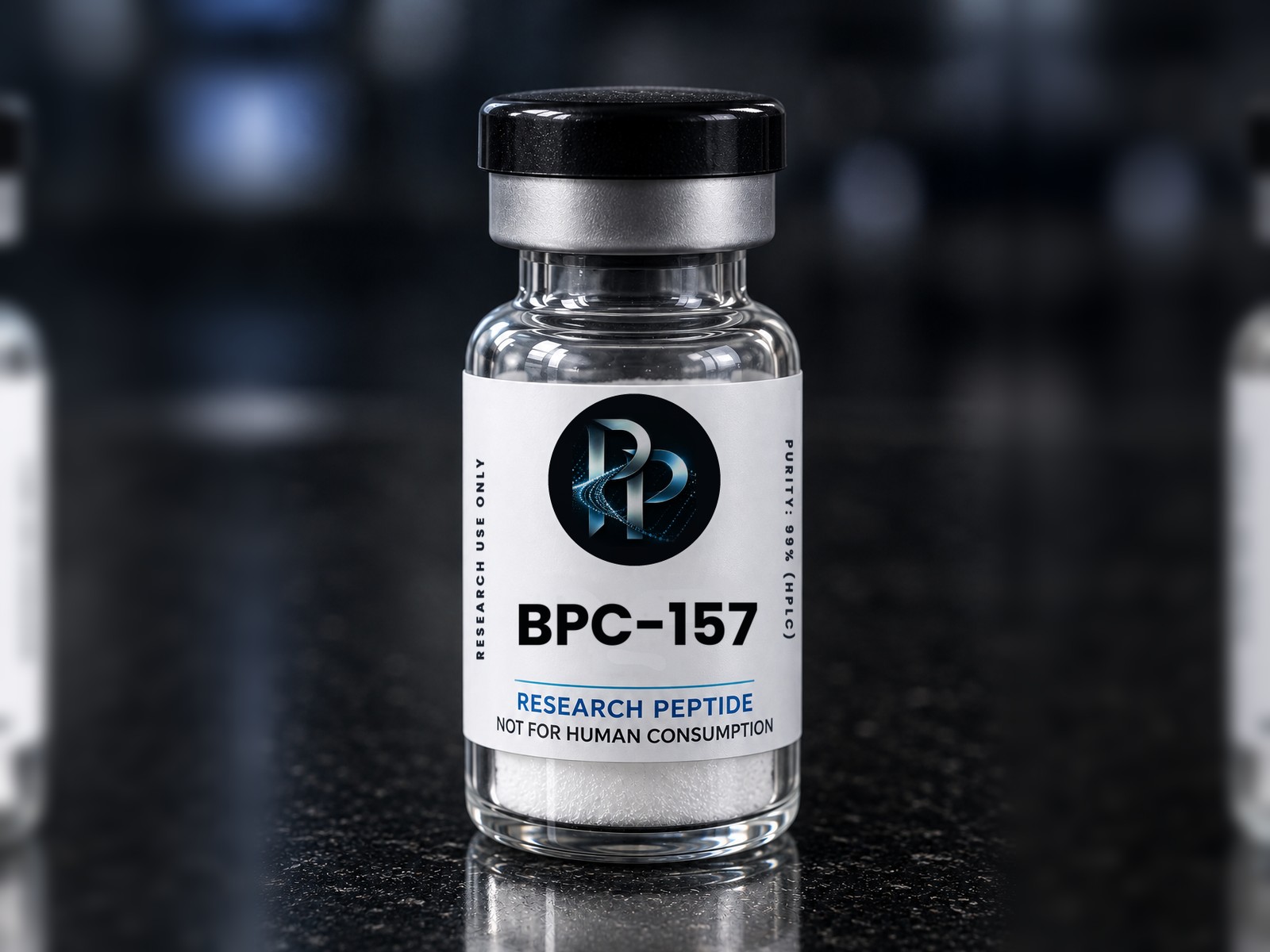
BPC-157
Synthetic pentadecapeptide (gastric-juice-derived sequence)
Also known as Body Protection Compound 157, Pentadecapeptide BPC 157, Bepecin
A 15-amino-acid synthetic peptide derived from a protective protein sequence found in human gastric juice. It is one of the most frequently studied peptides in preclinical tissue-repair research, with the overwhelming majority of data coming from rodent models.
Technical information
Values are shown with their status. “Verified” means the value has been checked against a primary database such as PubChem.
- Classification
- Synthetic pentadecapeptide (gastric-juice-derived sequence)
- CAS number
- 137525-51-0 Pending
- Molecular formula
- C62H98N16O22 Pending
- Molecular weight
- 1419.5 g/mol Pending
- Sequence / structure
- Gly-Glu-Pro-Pro-Pro-Gly-Lys-Pro-Ala-Asp-Asp-Ala-Gly-Leu-Val (GEPPPGKPADDAGLV) Pending
Some values are still being checked and should be treated as provisional until marked verified.
How this compound is tested
Identity for a synthetic peptide of this size is usually confirmed by LC-MS (expected monoisotopic/average mass consistent with the sequence) and purity by reverse-phase HPLC. Readers reviewing a COA should check that the reported mass is consistent with the free peptide or the stated salt form (commonly an acetate salt), and whether net peptide content (as distinct from chromatographic purity) is reported.
Research background
BPC-157 (Body Protection Compound 157) is a stable pentadecapeptide fragment whose sequence was identified in human gastric juice. It has been studied since the early 1990s, predominantly by a single research group at the University of Zagreb, across a wide range of rodent injury models.
The compound is of interest to researchers because it has been reported to remain stable in gastric juice and because the published preclinical literature spans tendon, ligament, muscle, bone, gastrointestinal mucosa and vascular injury models. Most publications are preclinical and originate from the same laboratories, which is an important consideration when weighing the evidence base.
Mechanisms investigated in published research
These are the mechanisms examined in the cited literature. Describing them is not a claim that the compound produces any effect in humans.
Mechanisms proposed in the published preclinical literature include:
- Angiogenesis-related signalling — modulation of vascular endothelial growth factor receptor 2 (VEGFR2) and nitric-oxide (NO) system interactions has been reported in rodent and cell models.
- Growth-factor pathway interaction — reports describe effects on the expression of growth factors associated with tissue repair, including in tendon fibroblast outgrowth assays.
- Cytoprotection of gastrointestinal mucosa — the original line of research examined protection of gastric and intestinal tissue in chemically induced injury models.
- Interaction with the dopaminergic and serotonergic systems — reported in behavioural and neuropharmacological rodent studies.
These are hypotheses investigated in animal and cell systems; none has been established in humans.
Summary of evidence
Laboratory and animal findings are kept separate from human clinical evidence.
Preclinical findings
1 cited- Rodent tendon and ligament transection models reported accelerated healing endpoints in treated animals.
- Tendon fibroblast assays reported increased cell outgrowth, survival and migration in the presence of the peptide (Chang et al., 2011).
- Gastrointestinal injury models (including chemically induced ulceration and fistula models) reported protective effects.
- Reviews from the originating research group summarise work across vascular, muscular and neurological rodent models.
The depth of the preclinical literature is notable, but it is concentrated in a small number of laboratories and uses heterogeneous methods.
Human clinical evidence
There are no published, peer-reviewed randomised controlled trials of BPC-157 in humans in our reference set. Any reports of human use are anecdotal or uncontrolled and do not constitute clinical evidence. The compound is not an approved medicine in the United Kingdom, the European Union or the United States.
Limitations and open questions
- Independent replication outside the originating research group is limited.
- No human efficacy or safety data from controlled trials exist.
- Formulation, stability and bioavailability differ between studies, complicating comparisons.
- Reported effects in rodents cannot be assumed to translate to any other species.
- The peptide is listed by the World Anti-Doping Agency as a prohibited substance in sport (category S0, non-approved substances); researchers working with athletes should be aware of this context.
Scientific references
Publications cited on this page. Links open the publisher or PubMed record.
[1]Chang CH, Tsai WC, Lin MS, Hsu YH, Pang JH. The promoting effect of pentadecapeptide BPC 157 on tendon healing involves tendon outgrowth, cell survival, and cell migration. Journal of Applied Physiology (2011).
Preclinical Citation pendingRat tendon explant and fibroblast study.
[2]Sikiric P, Seiwerth S, Rucman R, et al.. Brain-gut axis and pentadecapeptide BPC 157: theoretical and practical implications. Current Neuropharmacology (2016).
Review Citation pendingReview from the originating research group.
[3]Sikiric P, Seiwerth S, Rucman R, et al.. Stable gastric pentadecapeptide BPC 157: novel therapy in gastrointestinal tract. Current Pharmaceutical Design (2011).
Review Citation pendingReview of preclinical gastrointestinal models.
Research use only
BPC-157 is described here for laboratory research. It is not approved for human or veterinary use unless a regulator has said otherwise, and nothing on this page is medical advice or guidance on administration. A disclaimer does not by itself make any activity lawful. Full disclaimer.
Contact options
Talk to the Positive Peptides team about BPC-157
Order enquiries, documentation requests and technical questions about this compound — we answer directly, usually within two working days.
Related compounds
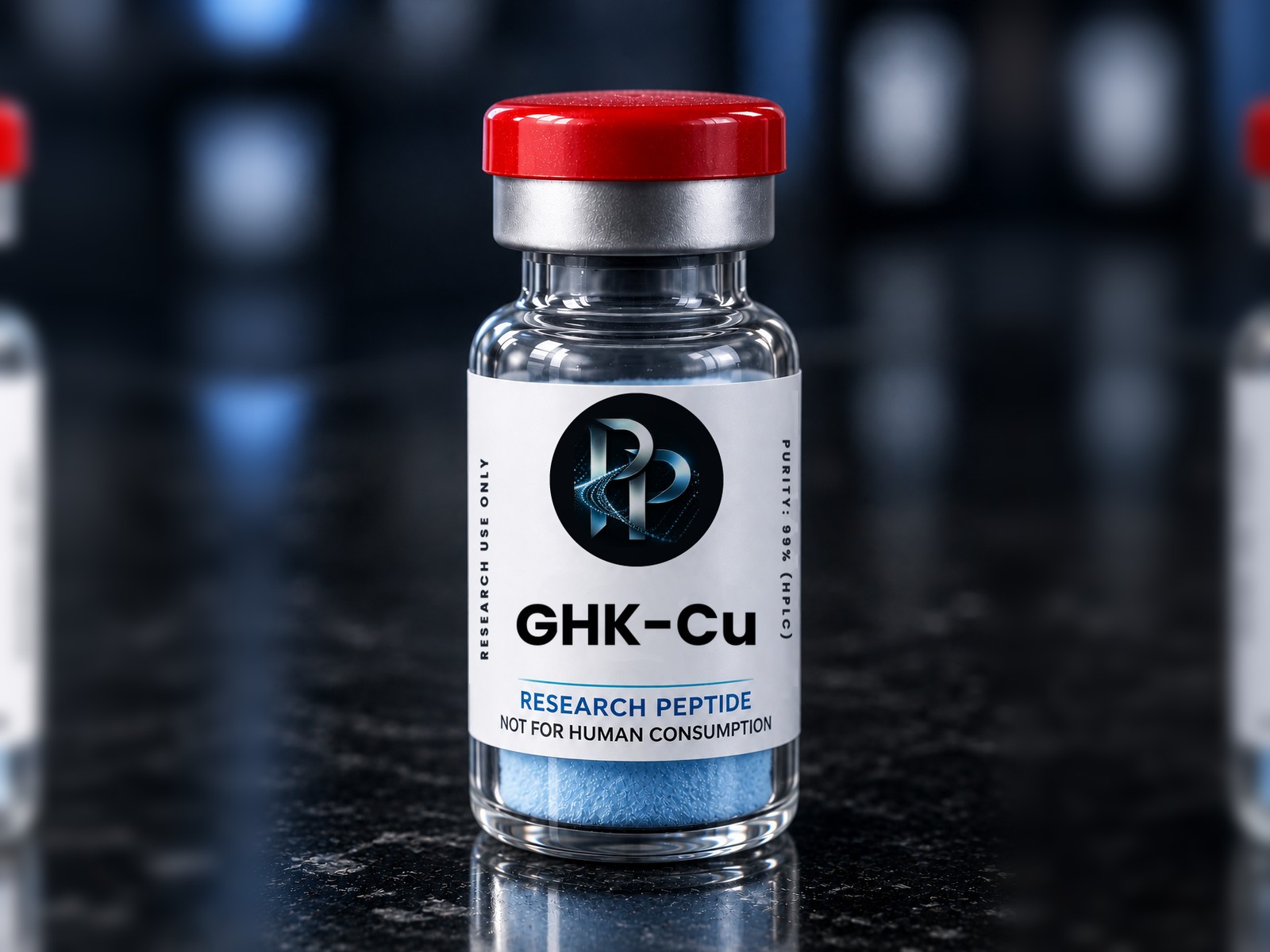 Tissue Repair Research99% purity
GHK-Cu
Tripeptide–copper(II) complex
A naturally occurring tripeptide (Gly-His-Lys) that binds copper(II) with high affinity. It is studied in dermal remodelling, collagen synthesis and gene-expression research, and is widely used as an ingredient in cosmetic formulations.
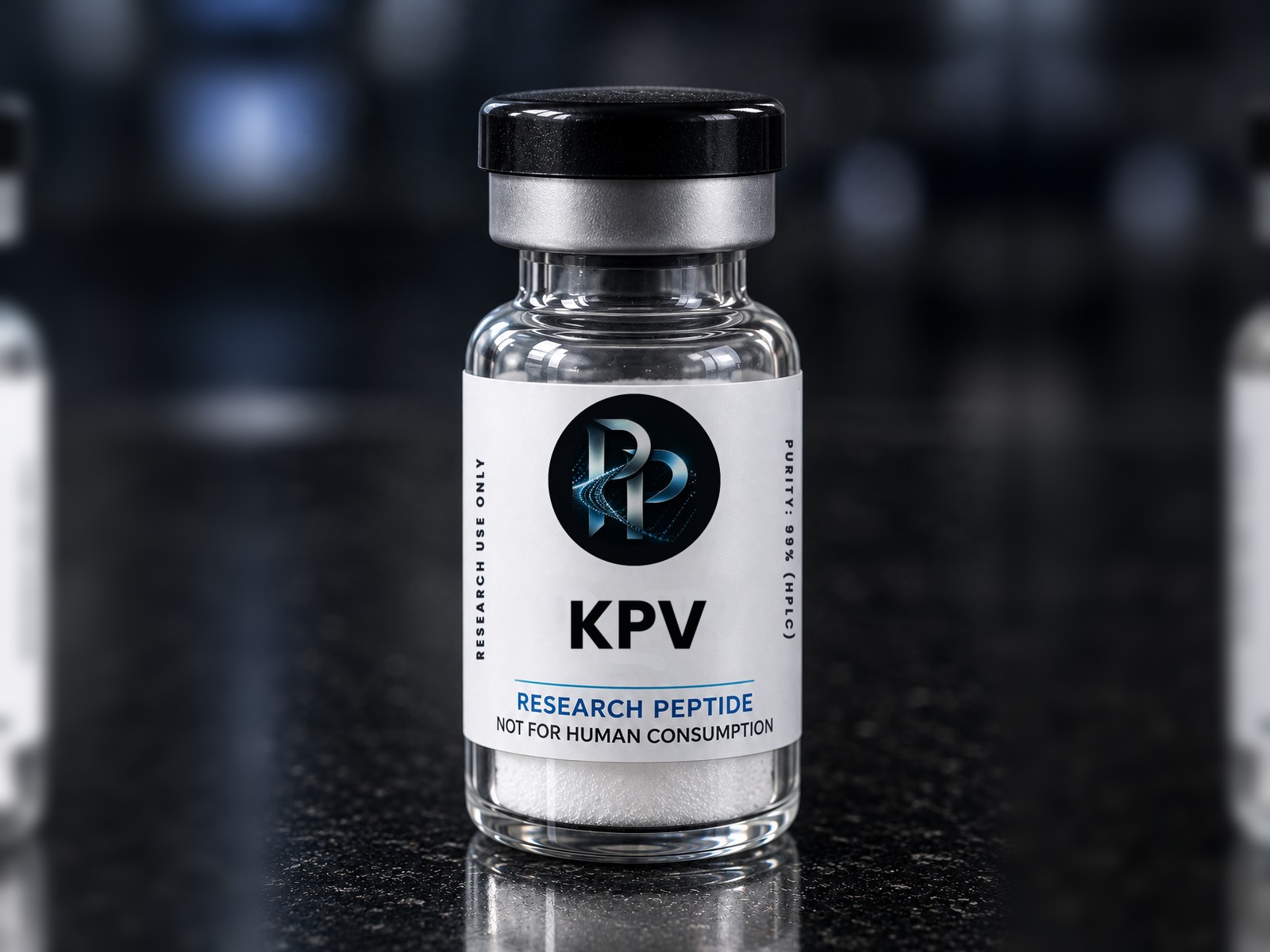 Immune & Antimicrobial Research99% purity
KPV
C-terminal tripeptide fragment of α-melanocyte-stimulating hormone
The C-terminal tripeptide of α-MSH, studied for anti-inflammatory activity in intestinal epithelial and immune cell models.
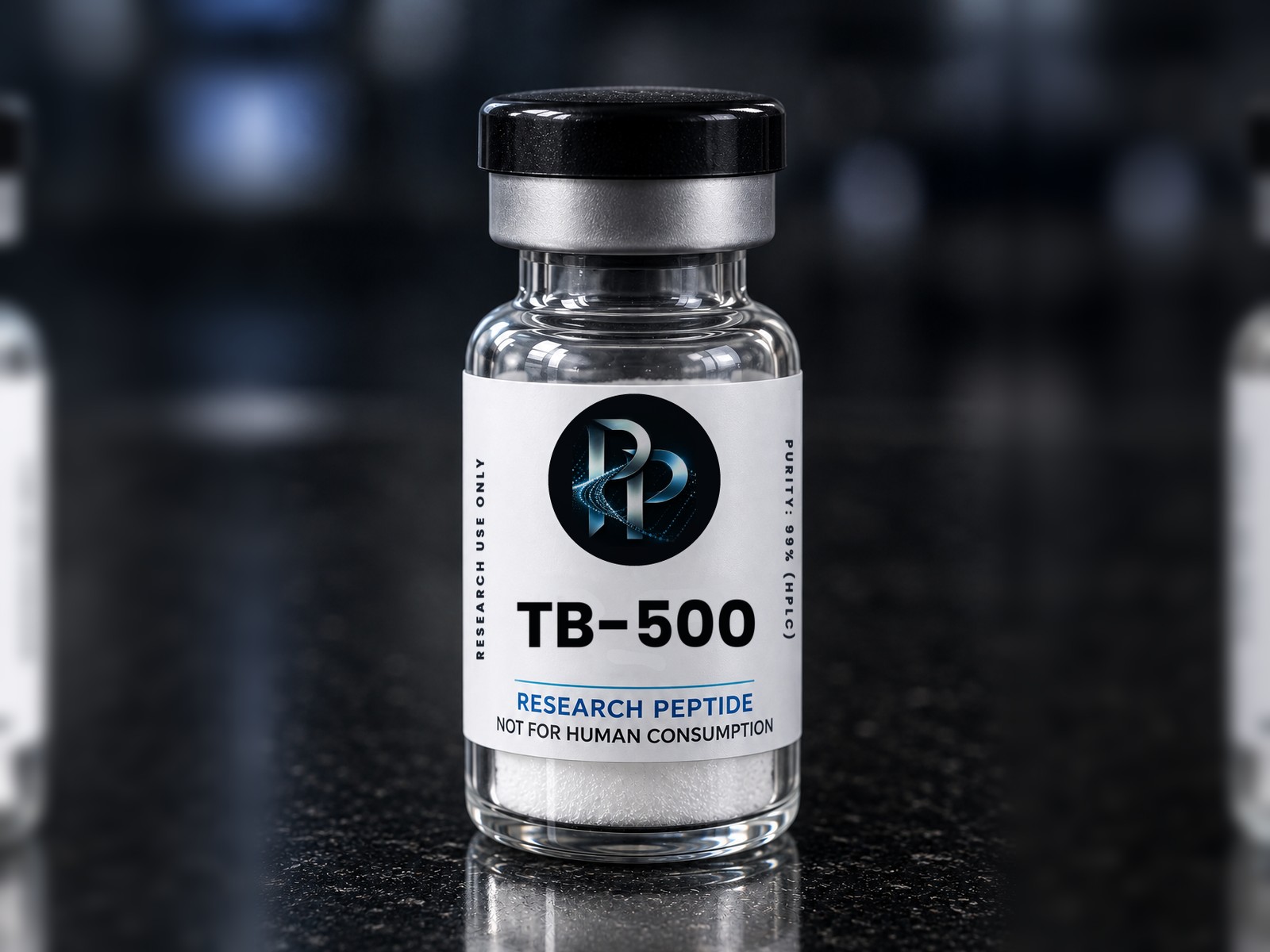 Tissue Repair Research99% purity
Thymosin Beta-4 (TB-500)
Naturally occurring 43-amino-acid actin-sequestering peptide (synthetic form)
A 43-amino-acid peptide present in most mammalian cells, where it is the principal sequestering protein for monomeric actin. Synthetic thymosin β4 and its fragments are widely used in cell-migration, cardiac and dermal wound-healing research.