
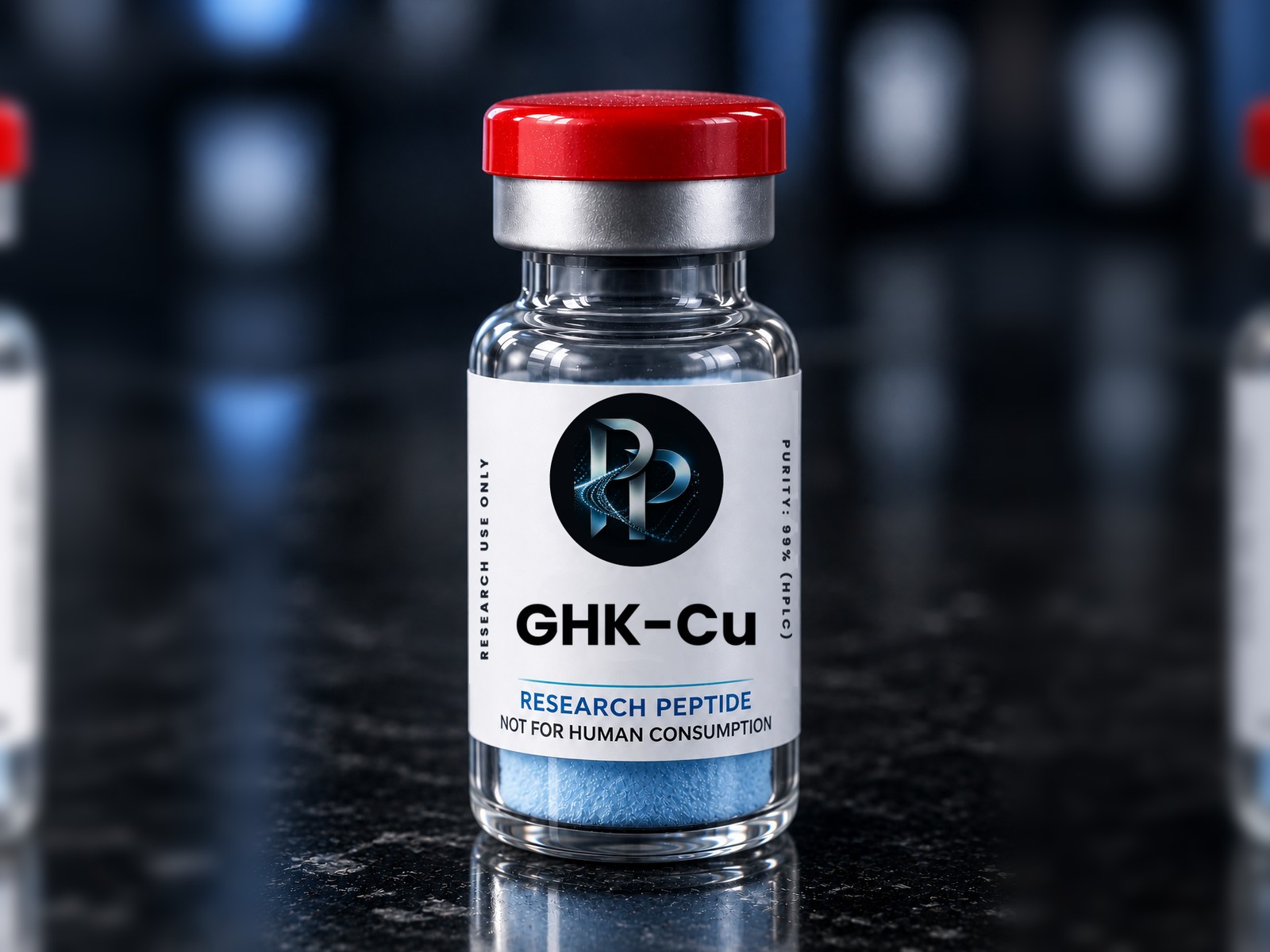
GHK-Cu
Tripeptide–copper(II) complex
Also known as Copper peptide, Glycyl-L-histidyl-L-lysine copper(II), GHK copper complex
A naturally occurring tripeptide (Gly-His-Lys) that binds copper(II) with high affinity. It is studied in dermal remodelling, collagen synthesis and gene-expression research, and is widely used as an ingredient in cosmetic formulations.
Technical information
Values are shown with their status. “Verified” means the value has been checked against a primary database such as PubChem.
- Classification
- Tripeptide–copper(II) complex
- CAS number
- 89030-95-5 Pending
- Molecular formula
- C14H22CuN6O4 (complex, nominal) Pending
- Molecular weight
- 401.9 (complex, nominal) g/mol Pending
- Sequence / structure
- Gly-His-Lys (GHK) complexed with Cu(II) Pending
Some values are still being checked and should be treated as provisional until marked verified.
How this compound is tested
Identity of the tripeptide is confirmed by LC-MS; copper content may be reported separately (for example by ICP-MS or AAS). Purity by HPLC refers to the peptide; a COA may not characterise the copper complex itself, which readers should note.
Research background
GHK was first isolated from human plasma in the 1970s and was observed to bind copper. Its plasma concentration declines with age, which prompted research into its role in tissue remodelling. GHK-Cu is used in topical cosmetic products, and the free tripeptide and its copper complex appear in a sizeable in-vitro and small-animal literature.
Mechanisms investigated in published research
These are the mechanisms examined in the cited literature. Describing them is not a claim that the compound produces any effect in humans.
- Modulation of extracellular-matrix gene expression — in-vitro studies report changes in collagen, elastin, decorin and metalloproteinase expression.
- Copper delivery — the complex is proposed to deliver copper to copper-dependent enzymes such as lysyl oxidase.
- Gene-expression profiling — connectivity-map analyses have suggested broad effects on gene expression in cultured cells (Pickart & Margolina, 2018).
- Antioxidant and anti-inflammatory signalling — reported in cell culture.
Summary of evidence
Laboratory and animal findings are kept separate from human clinical evidence.
Preclinical findings
- Fibroblast culture studies report increased collagen and glycosaminoglycan synthesis.
- Rodent and rabbit wound models report effects on wound closure and tissue remodelling.
- Hair-follicle organ culture studies report effects on follicle size.
Human clinical evidence
Small cosmetic-use studies of topical GHK-Cu formulations in humans have reported changes in skin appearance measures. These are cosmetic efficacy studies of specific formulations, not clinical trials of a medicine, and they do not support any medical claim.
Limitations and open questions
- Much of the literature is authored by investigators with commercial interests in GHK-Cu products.
- Cosmetic studies are small, often unblinded and formulation-specific.
- The stoichiometry and stability of the copper complex in solution can vary; COAs should state what was analysed.
Scientific references
Publications cited on this page. Links open the publisher or PubMed record.
[1]Pickart L, Margolina A. Regenerative and protective actions of the GHK-Cu peptide in the light of the new gene data. International Journal of Molecular Sciences (2018).
Review Citation pendingReview; the authors have commercial interests in GHK-Cu.
Research use only
GHK-Cu is described here for laboratory research. It is not approved for human or veterinary use unless a regulator has said otherwise, and nothing on this page is medical advice or guidance on administration. A disclaimer does not by itself make any activity lawful. Full disclaimer.
Contact options
Talk to the Positive Peptides team about GHK-Cu
Order enquiries, documentation requests and technical questions about this compound — we answer directly, usually within two working days.
Related compounds
 Tissue Repair Research99% purity
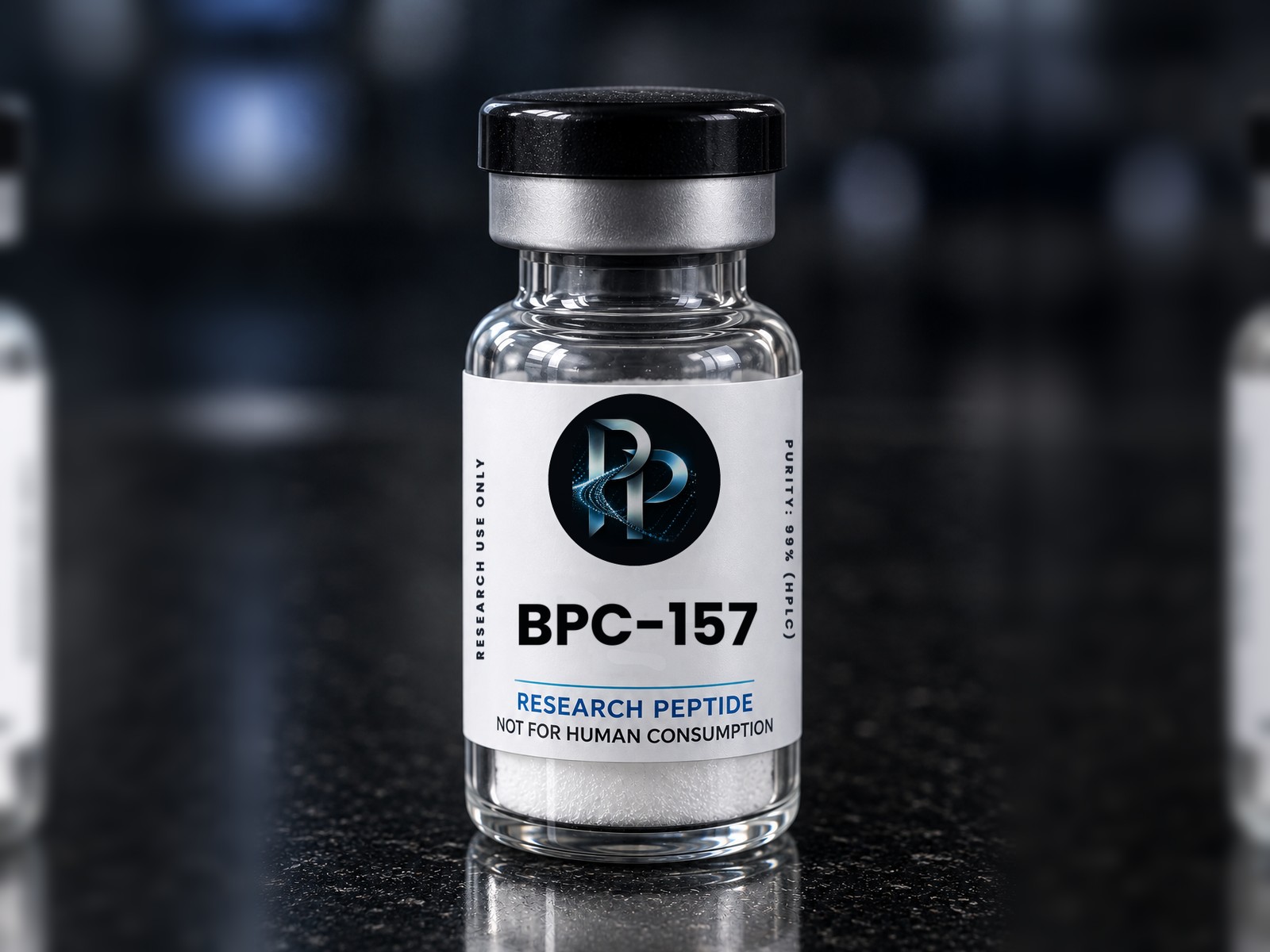
BPC-157
Synthetic pentadecapeptide (gastric-juice-derived sequence)
A 15-amino-acid synthetic peptide derived from a protective protein sequence found in human gastric juice. It is one of the most frequently studied peptides in preclinical tissue-repair research, with the overwhelming majority of data coming from rodent models.
 Tissue Repair Research99% purity
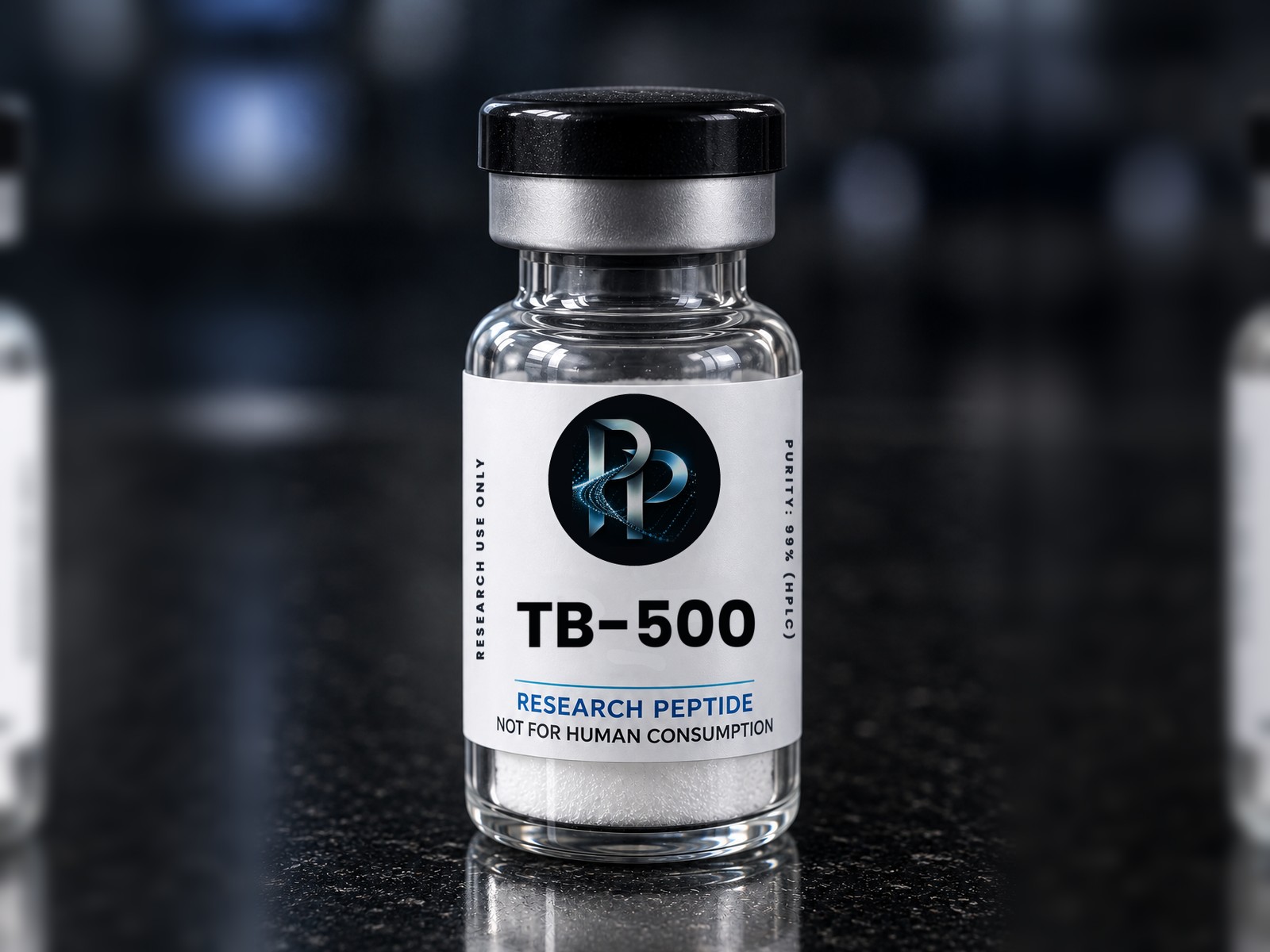
Thymosin Beta-4 (TB-500)
Naturally occurring 43-amino-acid actin-sequestering peptide (synthetic form)
A 43-amino-acid peptide present in most mammalian cells, where it is the principal sequestering protein for monomeric actin. Synthetic thymosin β4 and its fragments are widely used in cell-migration, cardiac and dermal wound-healing research.