
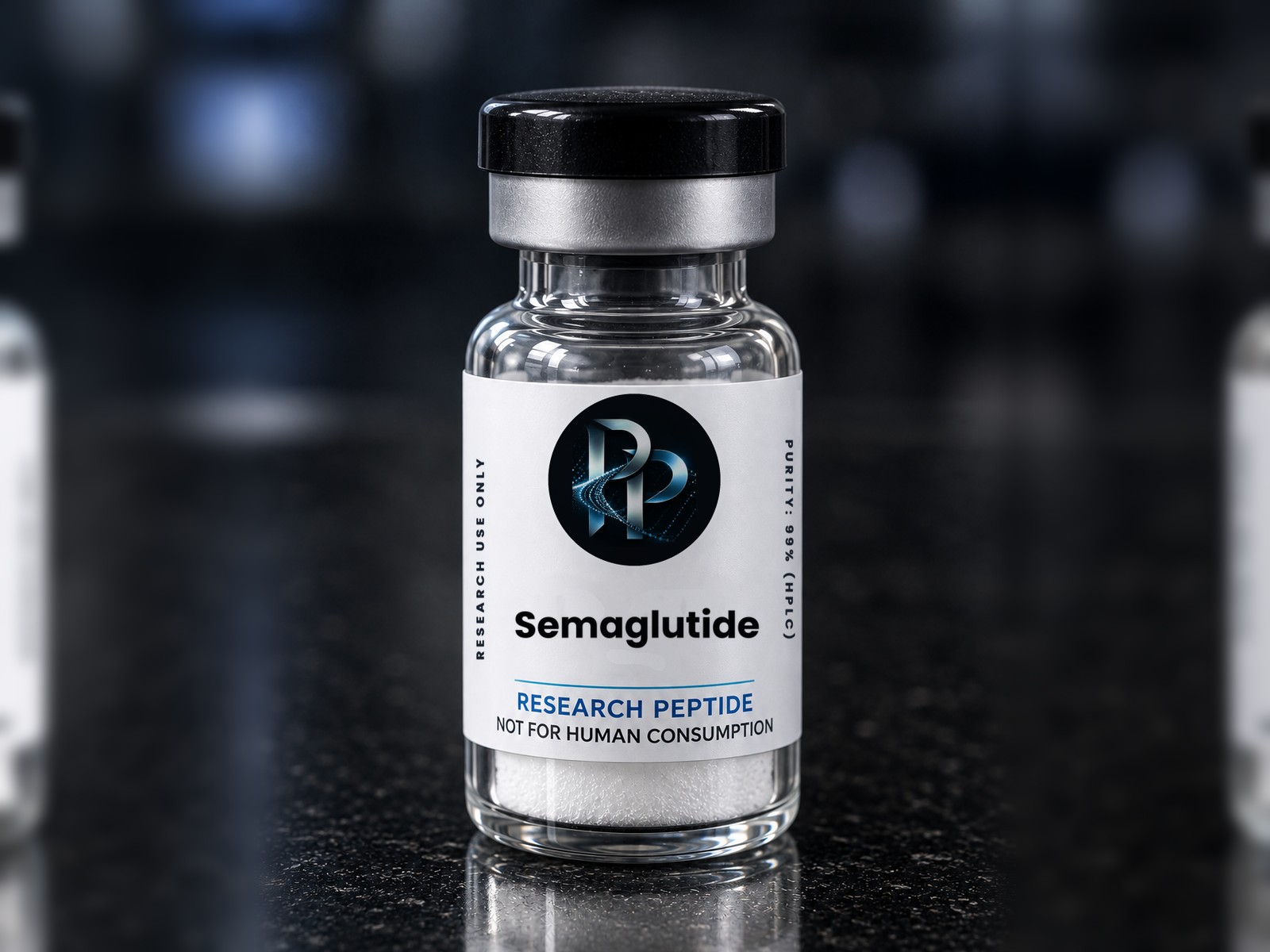
Semaglutide
Acylated GLP-1 receptor agonist (31-amino-acid analogue)
Also known as NN9535 (development code)
A long-acting glucagon-like peptide-1 (GLP-1) receptor agonist. In its licensed pharmaceutical forms it is an approved medicine; as a research compound it is used to study incretin signalling, appetite regulation and glucose homeostasis.
Technical information
Values are shown with their status. “Verified” means the value has been checked against a primary database such as PubChem.
- Classification
- Acylated GLP-1 receptor agonist (31-amino-acid analogue)
- CAS number
- 910463-68-2 Pending
- Molecular formula
- C187H291N45O59 Pending
- Molecular weight
- 4113.6 g/mol Pending
- Sequence / structure
- GLP-1(7-37) analogue with Aib8, Arg34 and a C-18 diacid lysine-26 side chain (see data source for full structure) Pending
Some values are still being checked and should be treated as provisional until marked verified.
How this compound is tested
Identity of a 4.1 kDa acylated peptide is confirmed by LC-MS (intact mass), with HPLC for purity and related substances. A COA for research material should be read alongside the compendial monographs that exist for the pharmaceutical substance; research-grade material is not tested to pharmacopoeial standards unless the laboratory states so.
Research background
Semaglutide is a structural analogue of human GLP-1 modified for prolonged half-life: an α-aminoisobutyric acid substitution at position 8 confers resistance to DPP-4 degradation, and a fatty-diacid side chain promotes albumin binding. It was developed by Novo Nordisk and is licensed in the UK and elsewhere under proprietary names for type 2 diabetes and weight management.
Research-grade semaglutide is used to study GLP-1 receptor pharmacology in cell and animal systems. It is not the licensed medicinal product, and nothing on this page relates to the use of the medicine.
Mechanisms investigated in published research
These are the mechanisms examined in the cited literature. Describing them is not a claim that the compound produces any effect in humans.
- GLP-1 receptor agonism — a class B G-protein-coupled receptor; activation increases cAMP in pancreatic β-cells.
- Glucose-dependent insulin secretion and suppression of glucagon secretion.
- Delayed gastric emptying and central appetite signalling via hypothalamic and brainstem GLP-1 receptors.
- Investigation of cardiovascular and renal effects in large outcome trials.
Summary of evidence
Laboratory and animal findings are kept separate from human clinical evidence.
Preclinical findings
- Rodent and non-human-primate studies characterised receptor binding, pharmacokinetics and effects on food intake and body weight during development.
- Cell models are used to study receptor trafficking and β-arrestin signalling bias.
Human clinical evidence
2 citedSemaglutide has an extensive phase 3 clinical trial programme for its licensed indications:
- SUSTAIN-6 (Marso et al., 2016): cardiovascular outcomes trial in type 2 diabetes (n = 3297).
- STEP 1 (Wilding et al., 2021): 68-week randomised trial in adults with overweight or obesity without diabetes (n = 1961).
These trials concern the licensed medicinal product administered under medical supervision. They do not provide evidence about research-grade material, and they do not alter the research-use-only status of any compound described on this website.
Limitations and open questions
- Research-grade material is not a medicine; clinical data cannot be extrapolated to it.
- Long-term outcome data continue to accumulate; regulatory labelling evolves.
- Peptide stability in solution and identity of the diacid side chain require careful analytical characterisation.
Scientific references
Publications cited on this page. Links open the publisher or PubMed record.
[1]Marso SP, Bain SC, Consoli A, et al.. Semaglutide and cardiovascular outcomes in patients with type 2 diabetes. New England Journal of Medicine (2016).
Human clinical Citation pendingSUSTAIN-6; randomised, placebo-controlled; licensed product.
[2]Wilding JPH, Batterham RL, Calanna S, et al.. Once-weekly semaglutide in adults with overweight or obesity. New England Journal of Medicine (2021).
Human clinical Citation pendingSTEP 1; randomised, placebo-controlled; licensed product.
Research use only
Semaglutide is described here for laboratory research. It is not approved for human or veterinary use unless a regulator has said otherwise, and nothing on this page is medical advice or guidance on administration. A disclaimer does not by itself make any activity lawful. Full disclaimer.
Contact options
Talk to the Positive Peptides team about Semaglutide
Order enquiries, documentation requests and technical questions about this compound — we answer directly, usually within two working days.
Related compounds
 Metabolic Research99% purity
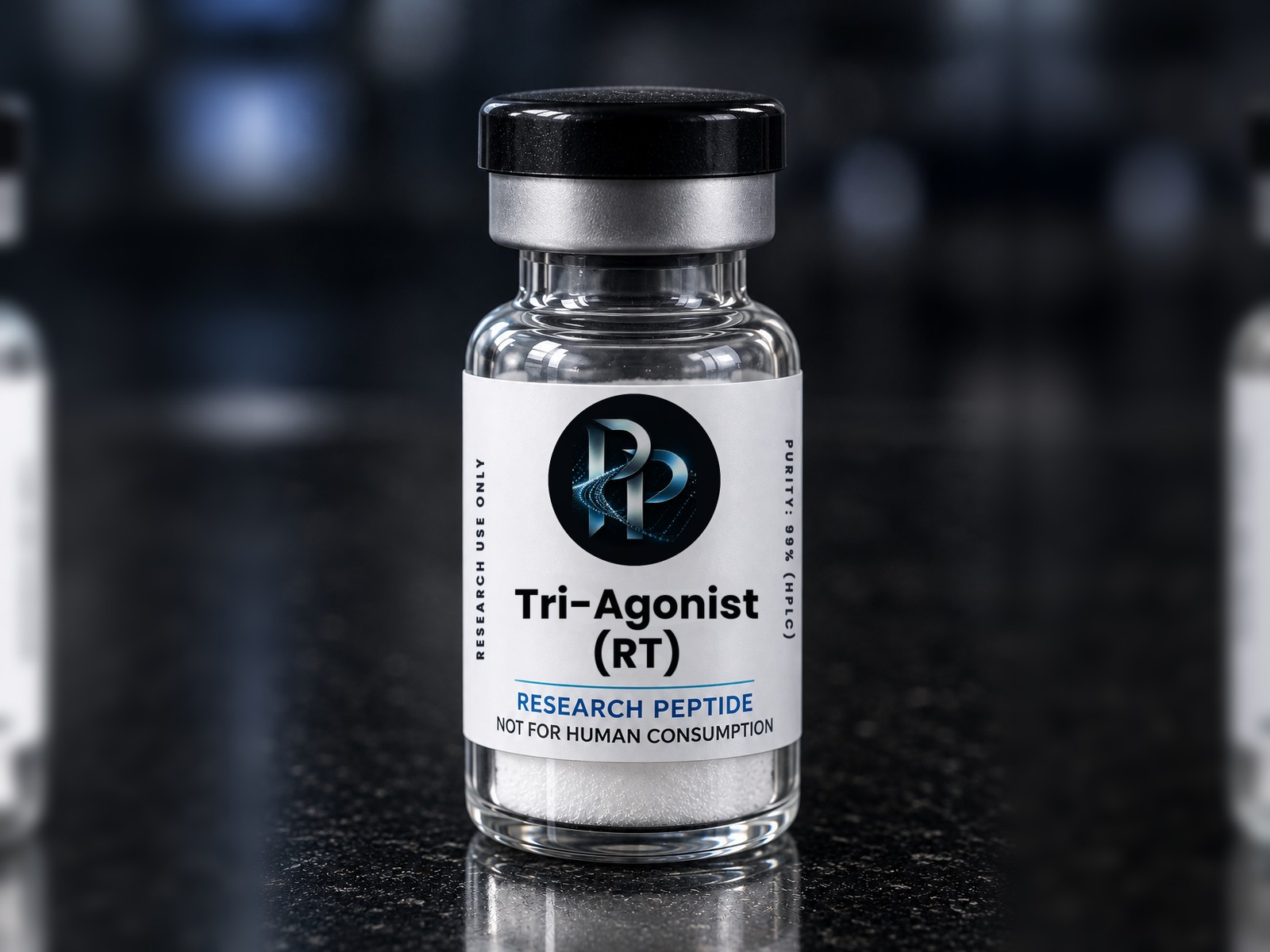
RT Tri-Agonist
Triple GIP/GLP-1/glucagon receptor agonist (investigational peptide)
An investigational single-molecule agonist of the GIP, GLP-1 and glucagon receptors, currently in late-stage clinical development. Not an approved medicine anywhere as of this profile.
 Metabolic Research99% purity
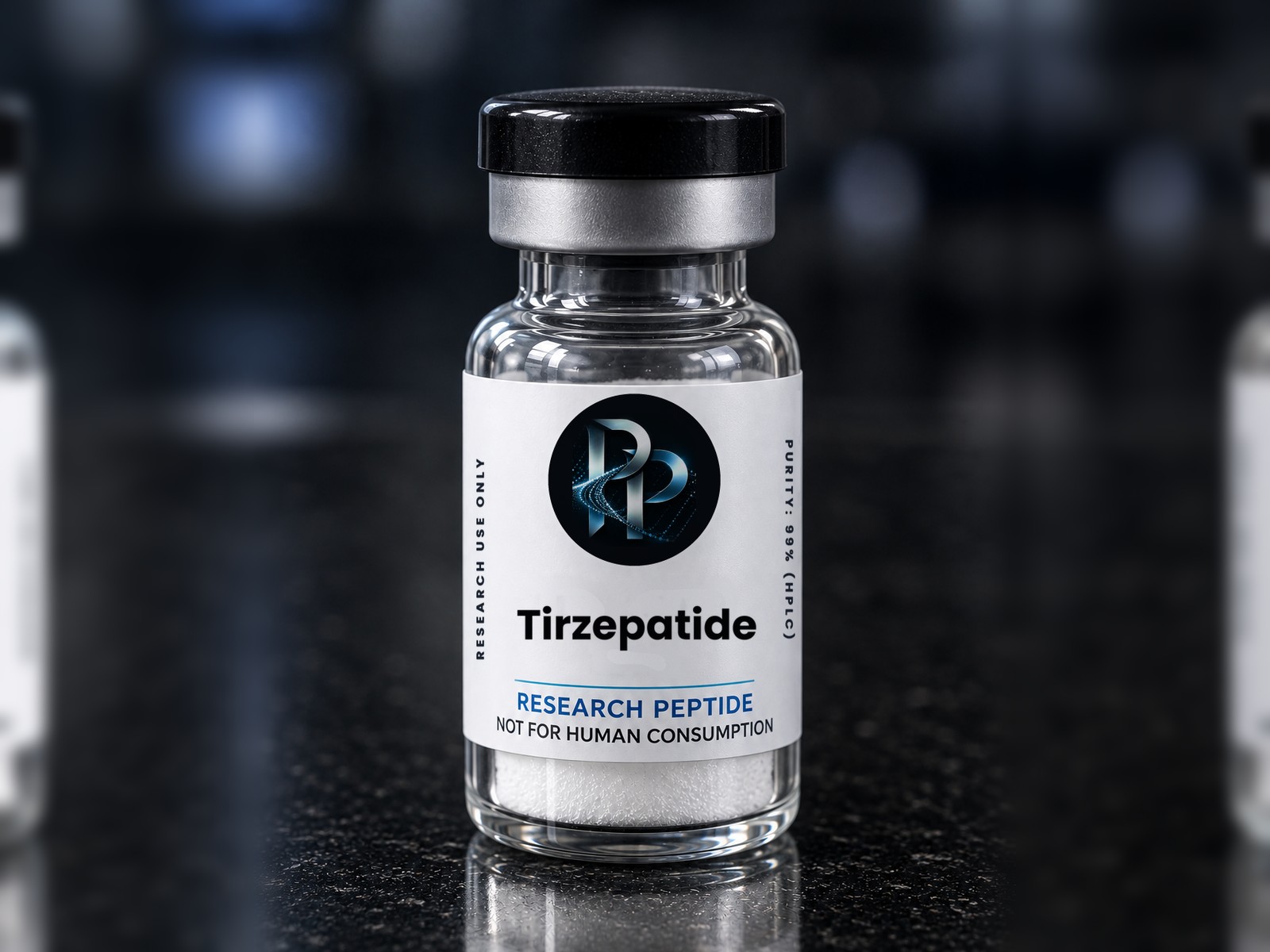
Tirzepatide
Dual GIP/GLP-1 receptor agonist (39-amino-acid acylated peptide)
A single-molecule dual agonist of the glucose-dependent insulinotropic polypeptide (GIP) and GLP-1 receptors. Licensed as a medicine in several jurisdictions; used in research to study multi-receptor incretin pharmacology.